Tuesday, July 7, 2026
Setting Up Your One-Bedroom Flat for Sleep and Study: Essentials for a Cosy Home
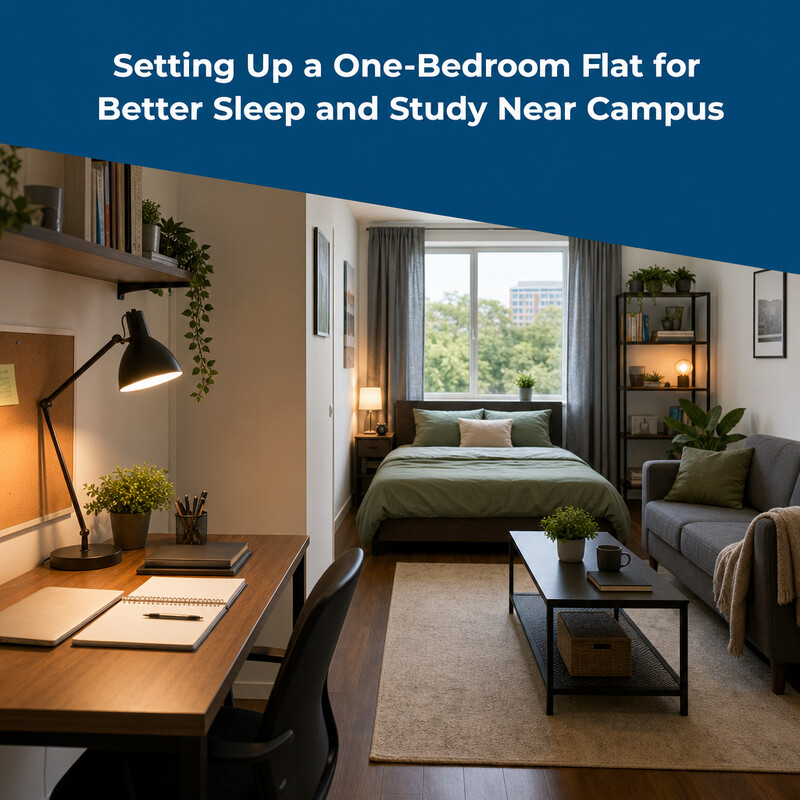
For medical students, residents, nurses, and healthcare staff, a one-bedroom flat is more than a place to sleep. It is your recovery zone after long shifts, your study space before exams, and your private retreat near the hospital or clinic. Creating a cosy, practical home can make daily life calmer, healthier, and more productive.
Whether you are moving into rental housing near a medical school, hospital, or clinic, the right setup can help you rest deeply, focus better, and feel at home faster. Here are the essentials to consider.
1. Create a Clear Sleep Zone 💤
Good sleep is essential for anyone working or studying in healthcare. In a one-bedroom flat, your bedroom should feel separate from your work and study life whenever possible.
Comfortable mattress: Choose the best mattress you can afford, especially if you are recovering from long shifts or standing for hours.
Blackout curtains: These are especially useful for night-shift workers who need to sleep during the day.
Soft bedding: Use breathable sheets, a supportive pillow, and a warm duvet or blanket to make the room feel calm and inviting.
Low lighting: A bedside lamp with warm light helps signal to your body that it is time to rest.
Noise control: Earplugs, a white-noise machine, or a fan can help reduce street noise, ambulance sirens, or hallway sounds.
Try to keep textbooks, laptops, and work documents away from the bed. Your brain should associate the bed with rest, not deadlines.
2. Set Up a Dedicated Study Corner 📚
Even in a small flat, a dedicated study area can improve concentration. It does not need to be large; it just needs to be consistent and comfortable.
Desk and chair: Invest in a stable desk and an ergonomic chair to protect your back during long study sessions.
Task lighting: A bright desk lamp reduces eye strain, especially during evening revision.
Charging station: Keep chargers for your laptop, tablet, phone, and medical devices organised in one place.
Simple storage: Use shelves, folders, or baskets for notes, textbooks, flashcards, and clinical materials.
Minimal distractions: Keep the desk clear except for what you need that day.
If your flat has limited space, consider a foldable desk, wall-mounted shelves, or a narrow table that fits beside a window.
3. Make the Living Area Cosy and Flexible
Your living area should help you relax, eat, call family, and occasionally review notes. A few small choices can make a basic rental feel more personal.
Comfortable seating: A small sofa, armchair, or cushioned floor chair gives you somewhere to rest that is not your bed.
Soft textures: Add a rug, cushions, and a throw blanket to make the room warmer and quieter.
Warm lighting: Floor lamps or table lamps create a calmer atmosphere than harsh overhead lights.
Personal touches: Photos, artwork, or a small plant can help reduce the feeling of temporary housing.
Multi-use furniture: Storage ottomans, nesting tables, and sofa beds are practical for compact flats.
4. Keep the Kitchen Simple and Shift-Friendly 🍲
Healthcare schedules can be unpredictable, so your kitchen should make quick meals easy. A well-organised kitchen also helps you avoid relying too often on takeaway food.
Meal-prep containers: Useful for batch cooking before busy placement weeks or long shifts.
Basic cookware: A frying pan, saucepan, baking tray, chopping board, sharp knife, and mixing bowl are enough to start.
Quick appliances: A kettle, microwave, toaster, rice cooker, or air fryer can save time.
Healthy basics: Keep oats, pasta, rice, frozen vegetables, soup, eggs, fruit, and snacks ready for late returns.
Cleaning supplies: Dish soap, sponges, bin bags, disinfectant spray, and kitchen towels keep the space manageable.
For medical students and hospital workers, a few ready-to-go meals in the freezer can be a real lifesaver after a late shift.
5. Build a Calm Evening Routine
Your flat should support routines that help your body switch from work mode to rest mode. This is especially important if you are studying intense material or coming home after emotionally demanding clinical days.
Dim the lights one hour before sleep.
Put your phone on charge away from the bed if possible.
Prepare clothes, ID badge, keys, and bag for the next day.
Do a short reset: wash dishes, clear the desk, and tidy the entryway.
Use a calming habit such as reading, stretching, journaling, or listening to soft music.
A peaceful routine can make even a small rented flat feel more stable and comforting.
6. Organise the Entryway for Busy Mornings
When you are rushing to class, placement, ward rounds, or clinic, a practical entryway can reduce stress.
Key bowl or hook: Never lose your keys before an early start.
Shoe rack: Keep work shoes, trainers, and indoor slippers separate.
Bag station: Store your backpack, stethoscope, notebook, ID badge, and umbrella in one place.
Laundry basket: Especially useful for scrubs, uniforms, and gym clothes.
7. Prioritise Clean Air and Good Hygiene
Healthcare workers are often exposed to busy public environments, so a clean home environment matters. You do not need a complicated system, just a few habits and essentials.
Ventilate the flat daily when possible.
Use a laundry routine for work clothes and bedding.
Keep hand sanitiser near the entrance.
Wipe high-touch surfaces such as door handles, desk space, and kitchen counters.
Consider an air purifier if the flat is near a busy road or if you have allergies.
8. Add Comfort Without Clutter
A cosy home does not need to be full of things. In fact, less clutter often means better sleep and easier study. Choose items that make you feel comfortable without overwhelming the space.
One or two plants for a fresher feeling.
A soft blanket for study breaks.
A small speaker for calming music.
A noticeboard or planner for rotations, exams, rent dates, and appointments.
Storage boxes under the bed for seasonal items or extra linens.
9. Think About Safety and Practical Rental Essentials
Before settling in, check that your flat is safe and functional. This is especially important if you are renting near a hospital or medical school for the first time.
Check smoke alarms and carbon monoxide detectors.
Know how to contact your landlord or property manager.
Keep a basic first-aid kit at home.
Have a small torch or backup light.
Save emergency contacts and local transport options.
Make sure doors and windows lock properly.
Final Thought
Your one-bedroom flat should help you do three things well: sleep, study, and recover. With a comfortable bed, a focused study corner, warm lighting, practical storage, and a few personal touches, you can turn a simple rental into a cosy home base near your medical school, hospital, or clinic.
For healthcare students and professionals, the right living environment is not just about comfort. It supports wellbeing, performance, and peace of mind during demanding days.