Monday, October 19, 2026
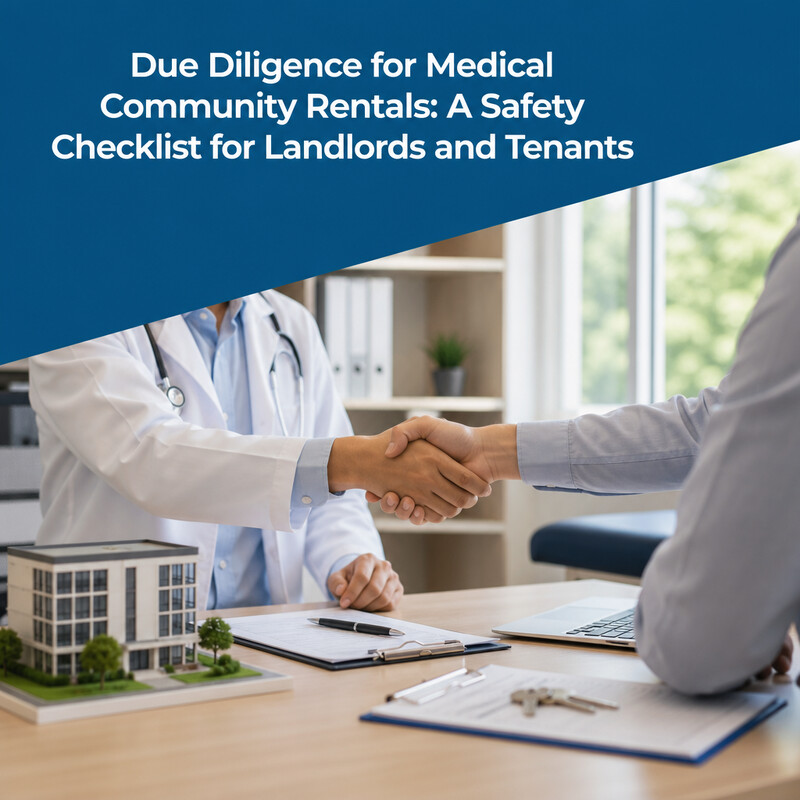
Due Diligence for Medical Community Rentals: A Safety Checklist for Landlords and Tenants 🩺🏡
Medical students, residents, traveling nurses, fellows, hospital staff, and clinic professionals often need housing quickly, sometimes for short rotations or temporary assignments. Because timelines are tight, it can be tempting for both landlords and tenants to skip important verification steps. However, careful due diligence helps prevent scams, misunderstandings, unsafe living situations, and legal problems.
Whether you are offering housing near a medical school, hospital, or clinic, or you are searching for a place to stay during training or employment, the goal is the same: confirm who you are dealing with, confirm the property is legitimate, and put the agreement in writing.
For Landlords: How to Verify Medical Community Members
Landlords who rent to members of the medical community should have a consistent, respectful screening process. The goal is not to invade privacy, but to confirm identity, affiliation, ability to pay, and housing expectations.
Ask for Proof of Medical School Enrollment
If the applicant is a medical student, nursing student, dental student, physician assistant student, pharmacy student, or other healthcare trainee, you may ask for reasonable proof of enrollment. Acceptable documents may include:
- Current student ID with the school name visible
- Enrollment verification letter from the school
- Class schedule showing the student's name and institution
- Official email from a school-issued email address
- Letter from a program coordinator or clinical placement office
Landlords should avoid asking for unnecessary academic records, grades, personal medical information, or documents that are not relevant to the housing decision.
Ask for Proof of Employment or Hospital Affiliation
If the applicant is a healthcare employee, resident, fellow, traveling nurse, technician, therapist, or clinic worker, you can request proof of employment or assignment. Examples include:
- Employment verification letter
- Offer letter with start date and employer name
- Recent pay stub, with sensitive details redacted if appropriate
- Hospital, clinic, or university ID badge
- Contract or assignment letter for travel healthcare workers
- Verification from a staffing agency or placement coordinator
For privacy and security, landlords should not request protected health information, patient information, or confidential workplace documents.
Confirm Identity and Contact Information
Before accepting payment or signing a lease, landlords should verify that the applicant is the person they claim to be. A reasonable process may include requesting a government-issued ID, confirming the applicant's phone number and email address, and using secure rental application tools when possible.
Ask About the Intended Stay
Medical renters may need housing for different lengths of time. Ask clear questions before approving the rental:
- What is the requested move-in and move-out date?
- Is the stay tied to a rotation, contract, residency, fellowship, or job assignment?
- Will the tenant need an extension if the assignment changes?
- Will anyone else live in the property?
- Will the tenant have overnight guests?
- Does the tenant have pets or service animals?
Clear expectations at the beginning can prevent conflicts later.
Use a Written Lease Every Time
Even if the rental is only for a few weeks, there should be a signed written agreement. A lease should explain rent amount, due dates, security deposit terms, utilities, house rules, parking, guest policies, cleaning responsibilities, move-in and move-out procedures, and how either party may end or extend the agreement.
Short-term does not mean informal. A written lease protects both the landlord and the tenant.
Follow Fair Housing and Local Rental Laws
Landlords should apply the same screening standards to all applicants and follow federal, state, provincial, and local landlord-tenant laws. This includes rules about deposits, notices, habitability, rental licensing, occupancy limits, discrimination, eviction procedures, and short-term rental restrictions.
For Tenants: How to Confirm the Landlord and Property Are Legitimate
Medical community members are often targeted by rental scams because they may be moving from another city and need housing quickly. Tenants should verify the landlord, the property, and the rental terms before sending money.
Confirm the Landlord Is Allowed to Rent the Property
Before paying a deposit, ask whether the person offering the rental is the owner, property manager, or authorized representative. If they are not the owner, ask for proof that they have permission to rent the property.
Useful verification steps include checking public property records when available, asking for a property management agreement or authorization letter, and confirming that the name on the lease matches the owner or authorized manager.
Verify Ownership or Management Authority
Tenants can ask for reasonable proof of ownership or management authority. Examples may include:
- Property tax record or ownership record
- Deed record or public assessor information
- Property management company license or business listing
- Written authorization from the owner
- Landlord identification that matches lease documents
If the landlord refuses to provide any proof, pressures you to pay immediately, or avoids basic questions, consider it a warning sign.
Ask for Utility Bills or Proof of Property Control
A legitimate landlord or owner should generally be able to show some evidence that they control the property. This may include a utility bill, insurance document, tax document, or management document with their name or company name connected to the address. Sensitive account numbers and personal details can be redacted.
This step is especially important if you are renting from someone online, from another city, or without meeting in person.
Request a Live Walkthrough
Photos can be copied from other listings, so tenants should request a live video walkthrough whenever possible. During the walkthrough, ask the landlord or manager to show the address, front entrance, kitchen, bathroom, bedroom, locks, windows, laundry area, parking, and any shared spaces.
You can also ask them to show a specific item during the live call, such as opening a closet, turning on a light, or showing the view from a window. This helps confirm that the person actually has access to the property.
Always Get a Signed Lease
Do not rely only on text messages, emails, or verbal promises. Even for a one-month rotation or short clinical placement, tenants should request a signed lease or written rental agreement before sending significant funds.
The lease should include the property address, landlord name, tenant name, rent amount, deposit amount, dates of stay, utility responsibilities, cancellation terms, house rules, roommate rules, and refund policies.
Understand Local Landlord-Tenant Laws
Tenant rights vary by location. Before signing, review local rules about deposits, notice periods, entry rights, repairs, rent increases, occupancy limits, and short-term rental regulations. If the property is in a condo, co-op, HOA, or apartment building, ask whether the building allows sublets or short-term rentals.
Ask About Roommates and Shared Spaces
Many medical housing arrangements involve shared homes, furnished rooms, or roommate situations. Before committing, ask:
- Who else lives in the property?
- Are the roommates students, professionals, family members, or short-term guests?
- Will the landlord live on-site?
- Are bedrooms private and lockable?
- Which areas are shared?
- How are cleaning, trash, laundry, and kitchen use handled?
- Are quiet hours expected for night-shift workers or students studying for exams?
Medical schedules can be demanding. A tenant working overnight shifts may have very different needs from a student studying during the day, so expectations should be discussed early.
Ask About Privacy and Access
Privacy is one of the most important issues in furnished and shared rentals. Tenants should ask whether the landlord, cleaners, maintenance workers, roommates, or guests will be entering the property or room during the stay.
Clarify how much notice is required before entry, whether the room has a lock, whether security cameras are present, and where cameras are located. Cameras should never be in private spaces such as bedrooms or bathrooms.
Warning Signs of a Rental Scam 🚩
- The rent is far below market value with no clear explanation
- The landlord refuses a live video walkthrough
- The person cannot prove ownership or authority to rent
- You are pressured to send money immediately
- The landlord asks for payment by gift card, cryptocurrency, wire transfer, or unusual payment method
- The lease has a different name than the person collecting money
- The listing photos appear on multiple unrelated websites
- The landlord avoids direct questions about utilities, roommates, or access
Best Practices for Both Sides
- Communicate through clear written messages
- Keep copies of IDs, verification documents, lease agreements, receipts, and inspection photos
- Use secure payment methods that provide records
- Document the condition of the property at move-in and move-out
- Respect privacy and avoid asking for unnecessary personal information
- Follow all local housing, rental, and fair housing rules
Final Takeaway
Housing for the medical community often moves quickly, but speed should not replace caution. Landlords should verify enrollment, employment, identity, and rental expectations. Tenants should verify ownership, rental authority, property access, utilities, roommates, privacy, and lease terms.
A little due diligence before move-in can prevent major problems later and create a safer, more professional rental experience for everyone involved.
Sources: U.S. Department of Housing and Urban Development fair housing guidance; Federal Trade Commission rental scam prevention guidance; local landlord-tenant laws should also be reviewed for the property location.